





















































































General conditions
Known medical and surgical conditions affecting males and females of all ages from infancy to senescence.
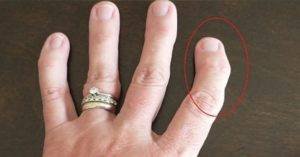
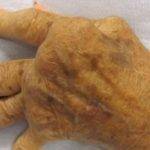
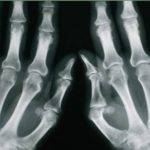
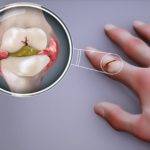
Arthritis of the fingers.

The 3 distressing arthritis of the fingers. The early signs, their causes, what they feel like, diagnosis, treatment, how to distinguish them, plus exercises that help and some home remedies.
Read More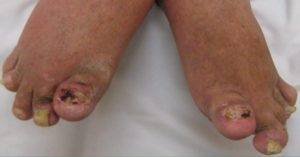
Treatment of Psoriatic arthritis.
Psoriatic arthritis is a chronic auto-immune inflammatory form of arthritis, similar to rheumatoid arthritis. It affects only about a 3rd (30%) of patients diagnosed with a disease called psoriasis. It’s an idiopathic, noncontagious, and incurable disease with symptoms that affect your body’s joints. Being idiopathic means the cause is unknown. Though incurable, there are treatment […]
Read More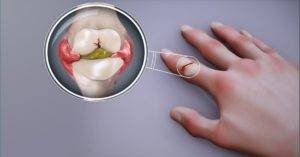
Osteoarthritis vs. Rheumatoid Arthritis.
Whereas Osteoarthritis(OA) is the most common form of joint disorder in the world, according to studies, occurring at a rate about 10 times more than Rheumatoid, Rheumatoid arthritis(RA) is the most common whole-body autoimmune disease. Over the years what is known or believed about the two conditions has undergone considerable changes. For instance, back in […]
Read More
Life expectancy after a mini-stroke.
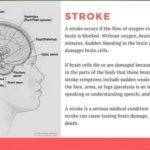
A mini-stroke is an alternative term for the medical event called transient ischemic attack (TIA). Research conducted in Australia has revealed that life expectancy after a mini-stroke for patients well above 50 years was lower by as much as 20% in comparison to the general population, nine years after discharge. The same research revealed that […]
Read More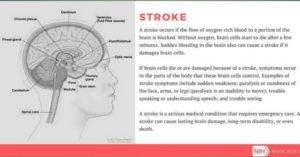
Cerebrovascular accident vs. TIA.
Cerebrovascular accident vs tia: the similarities and differences, how likely and how soon you could have a stroke after TIA plus how to prevent it.
Read More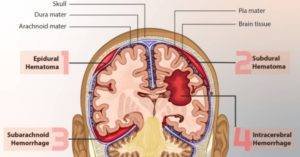
Treatments for hemorrhagic stroke.
Treatments for hemorrhagic stroke: The causes, symptoms, diagnosis, emergency intervention, rehabilitation, life expectancy, recovery, and prevention.
Read More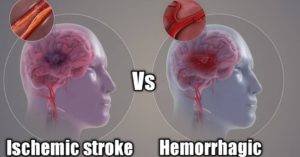
Ischemic stroke vs hemorrhagic.
Ischemic stroke vs hemorrhagic: types of ischemic and hemorrhagic strokes, Ischemic vs hemorrhagic strokes, symptoms, diagnosis, and treatment.
Read More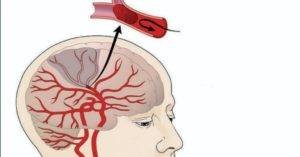
Treatment for transient ischemic attack.
Treatment for transient ischemic attack: risk factors, symptoms, treatment guidelines, and prevention.
Read More
What is a hemiplegia?
Hemiplegia is a Greek word that consists of two components, Hemi and plegia. Hemi means one-half, and plegia represents paralysis. Together, they mean the paralysis of one half of the body. It is a non-progressive condition that usually happens as a result of an injury or lesion to the brain or spinal cord. The clinical […]
Read More